All Categories
Featured
The Art of the Offer: Working Out International Alliances...
Why UK Leaders Must Reconsider Resilience for the 2026 Ma...
The Principles of Device Knowing in Modern Recruitment Te...

The Principles of Device Knowing in Modern Recruitment Techniques
Table of Contents
Cloud Methods for Organizations in the local market
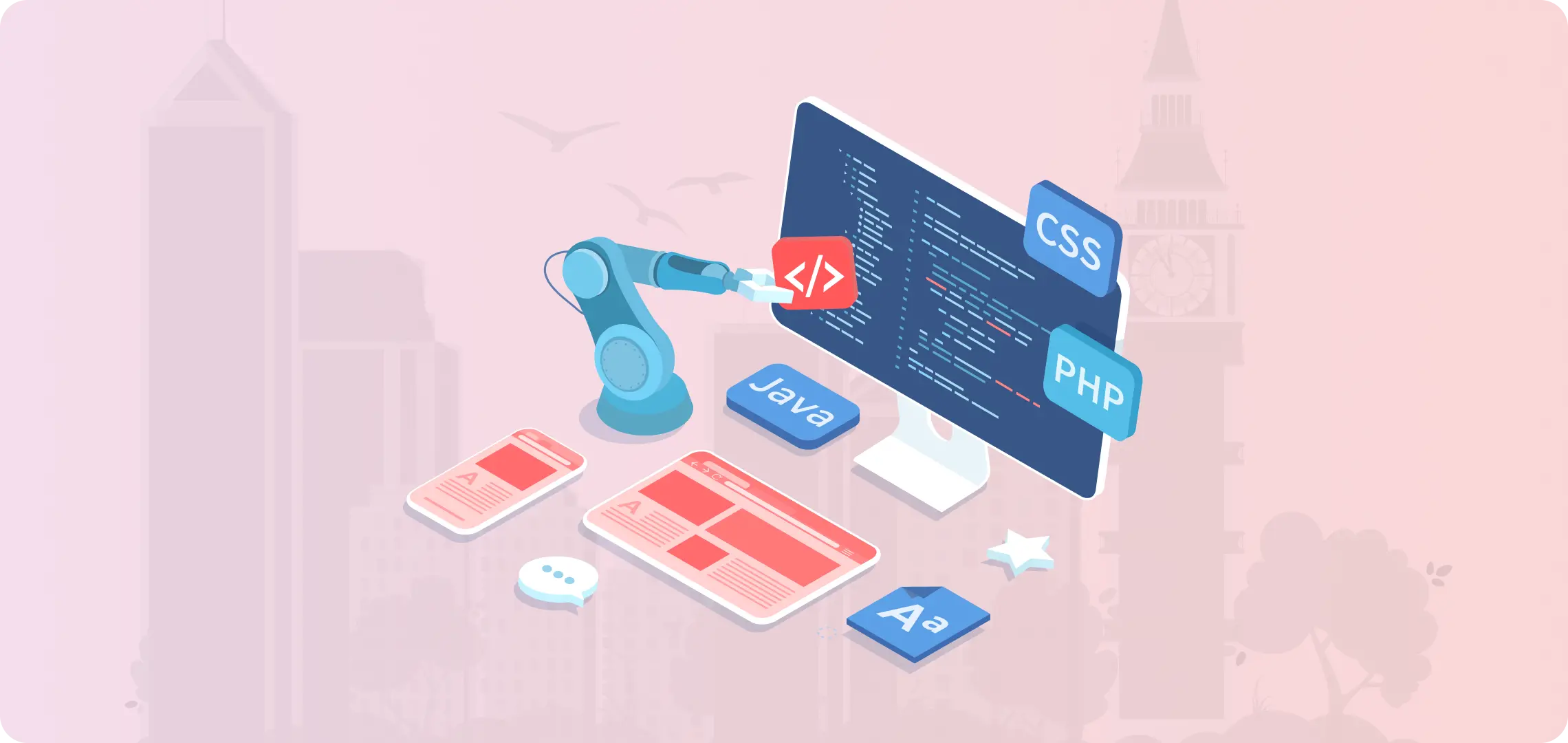
The technical requirements for running a competitive organization altered significantly by the start of 2026. Organizations no longer see cloud-native infrastructure as an experimental choice but as the requirement for any operation meaning to scale. Moving beyond easy server migration, business in the region now focus on building systems that are natively dispersed and extremely automated. This shift allows for quick growth without the standard overhead connected with physical data centers or manual server management.
Adopting these contemporary systems requires an essential change in how digital transformation is dealt with. In previous years, the emphasis was on moving existing applications to the cloud. In 2026, the top priority is refactoring those applications into microservices that can deal with massive traffic spikes immediately. For a business operating in the surrounding area, this implies the capability to serve a worldwide client base while keeping regional efficiency standards. The reliance on containerization and orchestration has actually moved from the IT department into the conference room, as executives acknowledge that system uptime directly correlates with income growth.
Infrastructure as Code (IaC) has ended up being the main approach for handling these intricate environments. By dealing with hardware setups like software application code, organizations reduce the risk of human error and make sure that their technical setup remains constant across various regions. This level of automation is vital for business that require to deploy updates several times a day. The speed of deployment has ended up being a significant competitive advantage, allowing firms to react to market changes in hours rather than months. Success with GCC Integration counts on technical alignment in between these automated tools and individuals who handle them.
Skill Acquisition Trends for 2026
The need for specialized skills has actually reached a fever pitch in 2026. Finding engineers who understand the nuances of cloud-native architecture is among the most significant difficulties for companies in the local market. The traditional function of the system administrator has largely been replaced by the platform engineer and the site reliability engineer (SRE) These experts do not simply preserve servers. They build the internal platforms that enable designers to push code safely and effectively.
Recruitment strategies have progressed to meet this reality. Many firms are moving away from needing particular degrees, rather prioritizing hands-on experience with particular orchestration tools and dispersed databases. Labor force optimization now includes a mix of internal upskilling and aggressive external hiring. Organizations are discovering that it is typically more reliable to train their existing staff on cloud-native principles than to wait for the perfect candidate in a tight labor market. This method to internal development helps keep top talent who are excited to deal with 2026-era innovations.
Remote and hybrid work models continue to affect how skill is acquired. Because cloud-native facilities enables decentralized management, a business based in the region can easily use engineers residing in different time zones. This international skill pool has actually changed the salary expectations and advantages plans used by local firms. To remain attractive, services need to offer more than simply competitive pay. They need to offer an environment where engineers can work on high-impact projects using modern-day workflows. Companies focused on GCC Integration tend to scale quicker because they attract individuals who value effectiveness and modern-day toolsets.
Labor Force Optimization Through Distributed Systems
Efficiency in 2026 is measured by how well a workforce can engage with automated systems. Cloud-native facilities facilitates this by eliminating a lot of the manual jobs that formerly slowed down advancement cycles. When the infrastructure scales itself based upon demand, the engineering group can focus on building brand-new functions instead of fixing server capability. This shift represents a major part of the digital transformation seen in the local area this year.
AI-assisted operations, typically referred to as AIOps, have actually ended up being a staple in labor force optimization. These systems keep an eye on the health of the technical infrastructure and can often fix minor issues before an engineer even notices them. This doesn't replace the human employee but rather allows the team to manage much larger environments than was possible 5 years earlier. A small team in 2026 can now manage an international footprint that would have needed an enormous department in the past. This lean technique to staffing is a key motorist for profitability in high-growth sectors.
Cooperation has also changed. Modern observability tools offer every member of the team with a clear view of how the system is performing. This transparency decreases the friction between various departments, as everybody takes a look at the same data in real-time. Whether the team is based in the region or spread out around the world, the ability to detect and deal with problems rapidly is a direct outcome of these cloud-native architectures. The reduction in "blame culture" is a substantial, if frequently overlooked, advantage of these technical shifts.
Handling Expenses and Efficiency in the region
As cloud-native environments grow, so does the intricacy of managing their costs. FinOps, or cloud financial management, is a major focus for businesses in 2026. The goal is to make sure that the scalability of the cloud does not result in runaway expenses. Since resources are frequently billed by the second, even small ineffectiveness can amount to thousands of dollars in squandered invest over a month. Services are now utilizing automated tagging and real-time monitoring to track exactly where every dollar is spent within their business operations.
Efficiency optimization is the other side of the cost-management coin. In 2026, latency is often the difference between a finished sale and a bounced user. Companies in the local market are significantly utilizing edge computing to move their cloud-native applications more detailed to their clients. By processing data at the edge of the network, they can provide nearly rapid responses. This is especially crucial for markets like financing, health care, and retail, where every millisecond counts. Stabilizing the expense of these edge resources with the efficiency benefits they offer is a main obstacle for modern-day technical leads.
Serverless computing has actually likewise matured, providing a method to run code without managing any underlying servers at all. This model is highly appealing for companies with unforeseeable traffic patterns. Instead of paying for a server that sits idle during the night, they just spend for the exact time their code is running. This shift towards "utility-based" computing is a hallmark of the 2026 business environment, permitting startups to take on established giants by keeping their preliminary infrastructure costs low.
Sustainability and the Green Cloud
Ecological impact has actually become a board-level concern for organizations in 2026. Numerous cloud companies now provide detailed dashboards revealing the carbon footprint of specific work. For businesses in the region, picking a "green" cloud technique is frequently part of a larger corporate social obligation initiative. Cloud-native styles are naturally more efficient than traditional designs due to the fact that they enable for greater resource usage. When multiple applications share a pool of resources that scales up and down, less energy is squandered on idle hardware.
The push for sustainability is likewise influencing skill acquisition. Numerous more youthful engineers in 2026 choose to work for business that can show a commitment to decreasing their digital carbon footprint. This has actually caused the rise of "GreenOps," a practice where groups enhance their cloud-native infrastructure particularly to decrease energy usage. By refactoring inefficient code and selecting data centers powered by sustainable energy, firms can fulfill their ecological objectives while also lowering their operating costs. It is an unusual circumstances where technical performance and social responsibility line up completely.
Future-Proofing Operations in the local market
Looking towards completion of 2026, the rate of modification shows no signs of slowing. The integration of specialized hardware, such as custom-made AI chips, into cloud-native platforms is the next major hurdle. Companies that have currently transitioned to a containerized, microservices-based architecture will find it much easier to embrace these brand-new technologies. Those still depending on older designs will likely discover themselves at an extreme downside, as the gap between "modern-day" and "legacy" continues to broaden.
Digital change is an ongoing process instead of a destination. For an organization in the region, the ability to pivot and embrace brand-new tools is more crucial than the particular innovation they use today. The workforce of 2026 should be versatile, with a culture that motivates continuous learning and experimentation. Developing a technical foundation that is both flexible and scalable is the very best method to make sure long-term success in an unpredictable worldwide market. The focus remains on creating value through wise automation and specific know-how, guaranteeing that the facilities supports business instead of holding it back.
The relationship between innovation and human skill stays the core of effective operations. As systems end up being more complicated, the requirement for clear communication and strategic thinking grows. The most successful organizations in the local market are those that treat their cloud-native facilities as a living part of their company, constantly evolving to satisfy the requirements of their clients and their employees. By 2026, the distinction in between a "tech company" and a "conventional business" has nearly totally disappeared, as every successful service is now, at its heart, a digital operation.

Table of Contents
Latest Posts
Revenue with Function: Why Net Zero Is a Tactical Win

The Art of the Offer: Working Out International Alliances Effectively
Why UK Leaders Must Reconsider Resilience for the 2026 Market
Latest Posts
Revenue with Function: Why Net Zero Is a Tactical Win
The Art of the Offer: Working Out International Alliances Effectively
Why UK Leaders Must Reconsider Resilience for the 2026 Market